Tuesday, December 17, 2024

A Vision of Truth in the Heart of Sabah - Pastor Daniel and beloved wife Jacinta


Pastor Daniel and beloved wife Jacinta 

Blog: "A Vision of Truth in the Heart of Sabah"

In the heart of Sabah, nestled beside a gentle river, a peaceful Kampung setting captures the essence of both nature and spirituality. The image before us—a serene oil painting—invites the viewer to reflect on the deep, transformative journey that Pastor Daniel hopes for the Kadazan people, a community in which 60% follow Roman Catholic traditions, including his own immediate family. This painting isn't just a depiction of nature; it is a metaphor for the pastor's heartfelt desire to see his people, including his family, truly born again, mentally renewed, and freed from the entanglements of deceptive theology.

The Serene Kampung Setting: A Symbol of Peace and Reflection

The painting portrays a tranquil Kampung landscape, a familiar sight in rural Sabah. The soft, misty morning sun breaks through the mist that envelops the scene, representing divine enlightenment and the dawning of spiritual awakening. The mist itself symbolizes the obscured truth that often surrounds the hearts of many, clouded by centuries of tradition and misguided beliefs. But as the sun breaks through, it highlights the spiritual truth Pastor Daniel so deeply desires for his people.

The gentle river, meandering through the Kampung, symbolizes the flow of the Holy Spirit, guiding and cleansing those who walk by faith. It’s a reminder of John 7:38, where Jesus says, "Whoever believes in me, as Scripture has said, rivers of living water will flow from within them." This flowing river represents the life-giving power of the Holy Spirit that Pastor Daniel wishes to see manifest in the lives of his people, washing away old beliefs and false teachings.

The Presence of Mount Kinabalu: A Silent Witness to Faith

In the distance, Mount Kinabalu, Sabah's majestic and sacred peak, stands tall. This towering mountain represents the strength of faith and the steadfastness of God's truth. Its solid, unshakeable presence offers a spiritual anchor for Pastor Daniel’s community. It serves as a reminder that, despite the uncertainties and trials faced by believers, the foundation of truth in Christ remains steadfast, like a mountain standing firm through all seasons.

The Blooming Wildflowers: A Metaphor for Spiritual Growth

In the foreground, wildflowers are in full bloom, their colors vibrant against the soft, morning light. These flowers represent the spiritual growth Pastor Daniel prays for in the hearts of the Kadazan people. The vibrant colors—lush yellows, purples, and reds—are symbolic of the joy, peace, and love that come with being truly born again and walking in the fullness of the Spirit. Each flower, in its own unique shape and hue, also symbolizes the diversity of the Kadazan people and their individual journeys toward faith and freedom.

The Students: Reflecting the Struggle and Hope for Renewal
The group of students from the Catholic theological seminary sits near Pastor Daniel, eagerly listening to his words. Their body language speaks volumes. Some are seated attentively, while others, with furrowed brows, reflect deeply on the pastor’s words. A few students may have slight hesitations, their posture betraying the internal struggle between tradition and the call for spiritual renewal. But their presence in this intimate discussion symbolizes the desire for truth and transformation that Pastor Daniel believes is stirring within them.

Their openness to engaging with a pastor from another denomination reveals the seeds of spiritual hunger that God is planting in their hearts. They are no longer satisfied with surface-level theology but are seeking a deeper, personal encounter with Christ—one that goes beyond rituals and traditions. As they listen to Pastor Daniel, they begin to understand that true faith comes not from religious rituals or the Eucharist alone, but from a genuine, born-again experience of receiving the Holy Spirit and being transformed from within.

Pastor Daniel’s Desire for True Spiritual Renewal

Pastor Daniel’s journey has always been rooted in a deep love for the Kadazan people, and his heart aches for them to experience true freedom in Christ. This freedom, according to Pastor Daniel, is only found when believers are born again, baptized in the Holy Spirit, and walk in the renewed mind that comes from following Christ’s teachings, rather than centuries of convoluted theology.

For Pastor Daniel, it’s not just about doctrinal differences or theological debates. It’s about the freedom that only Christ can bring, breaking the chains of spiritual deception and selfishness. He desires for his people to experience the fullness of life that comes when the flesh is denied, and the spirit is set free by the Holy Spirit’s power. This renewal is the true essence of spiritual transformation—one that does not merely adopt religious practices but embraces a living, dynamic relationship with Jesus Christ.

A Vision for the Kadazan Community

Pastor Daniel’s genuine desire for his community is to see them move beyond the traditions that have bound them to rituals and doctrines that cannot bring salvation. He yearns to see the Kadazan people, including his own family, experience the baptism of the Holy Spirit—an infilling that will bring both empowerment and clarity of mind. It is through this renewal that they will be able to break free from the convoluted theology that has plagued their spiritual walk for generations.

Through his prayers, preaching, and personal interactions, Pastor Daniel is committed to guiding his people toward the truth that is found in God’s Word. He believes that when the Kadazan people experience a true revelation of Christ, they will be free from Satan’s deception and embrace the spiritual freedom Christ offers—freedom to live according to His will, walk in His truth, and experience His power in their daily lives.

Conclusion: A Call for Genuine Spiritual Renewal

This painting, with its serene landscape and vibrant imagery, serves as a visual metaphor for the spiritual journey Pastor Daniel prays for every Kadazan in his community. The misty morning symbolizing hidden truths, the river of living water representing the Holy Spirit, and the wildflowers of spiritual growth point to the spiritual freedom that comes when individuals are truly born again and walk in the renewal of the Holy Spirit.

In the heart of Sabah, Pastor Daniel’s passion for true transformation resonates deeply, not just for the Kadazan people but for all who are caught in the web of false theology. Through this heartfelt desire, Pastor Daniel believes that when the light of Christ shines through the mist of spiritual darkness, the Kadazan community will experience true freedom and renewal—mentally, spiritually, and emotionally.

Thursday, December 12, 2024

Describe and explain every symbolism and write a blog mentioning the dire need of "labourers in the harvest field" with particular emphasis on the 12 churches and para church organisations in Donggongon, Penampang, Kota Kinabalu and beyond in Sabah Malaysia.


Blog: The Urgent Need for Labourers in the Harvest Field

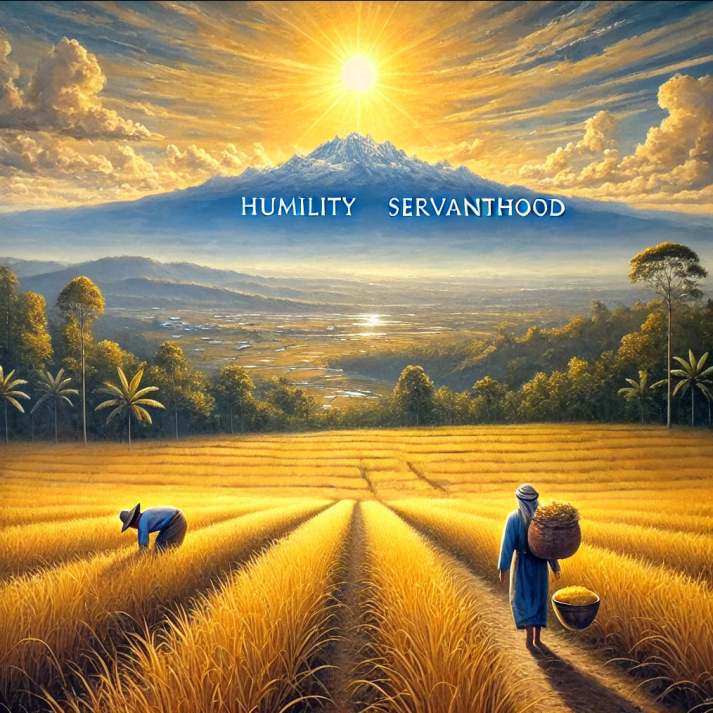
In the rich, fertile land of Donggongon, Penampang, Kota Kinabalu, and the greater Sabah region of Malaysia, a profound metaphor of spiritual harvest is waiting to be realized. With Mount Kinabalu majestically looming in the background, golden padi fields ripening under the midday sun, and a vivid reflection of Christ’s teachings on humility, servanthood, and the laborers in the field, there lies a critical call to action for the Church in Sabah.

The Symbolism of the Scene

In the oil painting described earlier, various elements offer symbolic insights into the urgent call for spiritual laborers in the harvest field:

Mount Kinabalu: The towering Mount Kinabalu in the background symbolizes God’s majesty, sovereignty, and the unshakable foundation on which the Christian faith stands. It serves as a reminder of God's authority and His call for believers to engage in His work, despite the challenges and obstacles.

Golden Yellow Padi Fields: The ripening padi fields, vibrant with the golden color of rice ready for harvest, symbolize the spiritual harvest that is ready to be gathered. The fields represent the souls of individuals in Sabah and beyond, who are yet to be reached with the Gospel of Christ. This highlights the need for spiritual laborers—those who are willing to take part in bringing in the harvest.

Midday Sun: The bright midday sun shining down upon the fields reflects the illumination of the Holy Spirit in the hearts of believers. It serves as a reminder that the time to labor is now, for the light of truth is shining brightly, and the moment for action is urgent.

The Call to Serve: Central to the scene is the metaphor of servanthood. As Christ taught, the greatest in His kingdom will be the servant of all (Mark 9:35). The laborers in the field are those who are not concerned with titles or power but are focused on humble service, bringing souls into the Kingdom of God.


The Spiritual Harvest in Sabah

Sabah, particularly the regions of Donggongon, Penampang, and Kota Kinabalu, is home to a rich cultural diversity with a complex spiritual landscape. The 12 churches and various para-church organizations in this area are doing tremendous work in evangelism, discipleship, and community outreach. However, despite their efforts, the need for more laborers remains dire.

As Matthew 9:37-38 says, "The harvest is plentiful but the laborers are few. Ask the Lord of the harvest, therefore, to send out workers into his harvest field." The task of evangelizing and discipling the people of Sabah—spanning various ethnicities and faiths—requires a concerted effort from churches and ministries across the region.

The Role of the 12 Churches and Para-Church Organizations in Donggongon, Penampang, and Beyond

The churches in Donggongon and Penampang, including the larger network of Kota Kinabalu-based ministries, play a pivotal role in reaching out to the Bajau, Kadazan, and Muslim communities, as well as the unregistered PTIs (Pendatang Tanpa Izin, or illegal immigrants) in the area. These communities represent some of the least reached groups, and the fields are ripe for the Gospel. Some churches are already making strides in this direction, while others remain in need of strategic support, training, and financial resources to effectively reach these people groups.

For example, ministries focused on the Kadazan-Dusun people, who make up a large portion of the population in Sabah, can leverage the cultural heritage and language of the people to build bridges of understanding and communication. However, cultural sensitivity is critical in sharing the message of Christ without causing division.

The Role of Para-Church Organizations

In addition to the local churches, para-church organizations—such as youth ministries, Christian schools, and community development groups—are critical in bringing the Gospel into daily life and reaching out to the next generation of leaders. These groups can help provide discipleship programs, social services, and evangelistic outreach in areas that traditional church buildings cannot easily access.

Some para-church organizations are already using creative outreach methods, such as music concerts, sports, and digital evangelism (through online platforms) to share Christ’s message with a wider audience. However, the laborers are still few, and many of these organizations could greatly benefit from more hands-on help in both prayer support and practical service.

The Need for More Labourers

As Sabah faces both spiritual and socio-political challenges, the harvest is abundant, but the laborers are few. The churches and para-church organizations of Donggongon, Penampang, and Kota Kinabalu need more workers in the fields. It is not enough for these ministries to rely on their own resources and efforts—the body of Christ must rise together in a united effort to bring the Gospel to the lost.

How You Can Get Involved:

Prayer: Continual intercession for the people of Sabah, for the churches, and for the leadership in the region.

Evangelism: Get involved in outreach programs, evangelistic efforts, and community events that can introduce people to Christ in non-threatening ways.

Discipleship: Actively engage in mentoring and training new believers in the foundations of the Christian faith, equipping them to go out and make more disciples.

Support: Contribute financially to support the ministries and missionary efforts in this region. Resources are always needed to facilitate outreach programs, church planting, and social initiatives.


Conclusion: The Time is Now

The golden fields of Donggongon and Penampang are ripe for harvest, and the call to labor in these fields is as urgent now as it was in Jesus' time. The churches and ministries of Sabah are doing incredible work, but the need for more laborers is greater than ever. As believers, we must answer the call, leaving behind titles, comfort, and status, to serve as humble servants in God’s harvest field.

By working together in prayer, outreach, discipleship, and support, we can help bring in the spiritual harvest that is waiting in Sabah.


---

For further insight on how to get involved in ministry and outreach efforts in Sabah, please refer to these resources:

Harvest Fields of Sabah: A Call to Evangelism

Christian Missions in Sabah


Prayer for Divine Intervention to Supply More Laborers for the Harvest

Heavenly Father,
We come before You with hearts full of gratitude for Your abundant grace and mercy. We acknowledge that You are the Lord of the harvest, and we thank You for Your call to bring in the souls that are ripe for salvation. Yet, Father, You have told us that the harvest is plentiful, but the laborers are few. In obedience to Your Word, we ask that You send forth more laborers into Your harvest field, particularly in the region of Sabah, to reap the souls that You have prepared.

Scripture Declarations:

Matthew 9:37-38 (NIV): "Then He said to His disciples, 'The harvest is plentiful but the workers are few. Ask the Lord of the harvest, therefore, to send out workers into His harvest field.'"

Declaration: Father, we declare that the harvest is indeed plentiful in Sabah and beyond. We ask You, in the name of Jesus, to send more laborers to bring in the abundant harvest. May the hearts of those called to this work be stirred by Your Spirit.


Luke 10:2 (NIV): "He told them, 'The harvest is plentiful, but the workers are few. Ask the Lord of the harvest, therefore, to send out workers into His harvest field.'"

Decree: Lord, as we ask You, we decree that the laborers will rise up, equipped with the tools of the Gospel, to reach those in need of salvation. We decree that the laborers will be faithful, courageous, and anointed to bring the light of Christ to every corner of Sabah.


John 4:35 (NIV): "Do you not say, 'Four months more and then the harvest'? I tell you, open your eyes and look at the fields! They are ripe for harvest."

Claim: We claim that the fields in Sabah are ripe for the harvest, Lord. Open the eyes of Your people to see the urgency and the readiness of the harvest. We ask You to awaken hearts and send laborers immediately.


Isaiah 6:8 (NIV): "Then I heard the voice of the Lord saying, 'Whom shall I send? And who will go for us?' And I said, 'Here am I. Send me!'"

Declaration: We declare, Father, that many in Sabah will rise to answer the call, just as Isaiah did. They will say, "Here am I. Send me," and will go out with boldness and power to reach the lost.


2 Corinthians 9:10-11 (NIV): "Now he who supplies seed to the sower and bread for food will also supply and increase your store of seed and will enlarge the harvest of your righteousness. You will be enriched in every way so that you can be generous on every occasion, and through us your generosity will result in thanksgiving to God."

Decree: We decree that You will supply all the resources needed for the laborers, Father. As You provide seed for the sower, You will also provide the financial, spiritual, and physical means for the laborers to go forth and labor abundantly. We declare that every need will be met in the mighty name of Jesus.


Ephesians 4:11-12 (NIV): "So Christ himself gave the apostles, the prophets, the evangelists, the pastors and teachers, to equip his people for works of service, so that the body of Christ may be built up."

Claim: We claim that You will raise up apostles, prophets, evangelists, pastors, and teachers to equip the Church for the work of ministry. We ask that the leaders in Sabah and beyond will faithfully train and prepare the new laborers who will be sent into the fields.


Father, we pray that You would stir up a mighty wave of spiritual revival in the hearts of Your people. We ask for an outpouring of the Holy Spirit that will compel men and women to rise up and be laborers in Your harvest field. May this be a time of great awakening, where the body of Christ is mobilized to bring in the harvest like never before.

We declare that the harvest will come in, in abundance, as we co-labor with You in this great work. We claim these things by faith, trusting that You will do exceedingly, abundantly, above all we could ask or think. In Jesus’ name, Amen.

Summary

The prayer invokes the truth of scriptural promises and declarations that align with God's will to send laborers into the harvest field. By quoting key verses from the Bible and declaring these truths, the prayer calls for a spiritual awakening and mobilization in Sabah, where the harvest is plentiful.

As believers, we need to respond to God’s invitation to serve in the harvest, and pray for the resources, workers, and spiritual momentum to reach the lost. This is the time for action, and the need is urgent.


Tuesday, December 10, 2024

The risk of being stone to death


Symbolism in the Image

The image of Mary of Nazareth, set against the backdrop of majestic mountains and vibrant flora, carries layers of symbolism:

1. Majestic Mountain: The towering mountain signifies strength, divine authority, and stability. It may also represent Mount Kinabalu, linking the narrative to the Kadazan heritage, and showcasing Mary as a symbol of grace and humility in an elevated spiritual setting.


2. Floral Surroundings: Flowers around Mary signify purity, beauty, and renewal. They echo her role as a nurturer and the "Sumandak" (Kadazan maiden) who embodies gentleness and virtue.


3. Mary's Expression: Her serene yet pensive look reflects the courage and faith needed to accept her divine mission despite societal risks.


4. The Cloak and Colors: Mary's cloak, blending soft and warm tones, symbolizes protection and divine favor. The red underneath may represent sacrifice and suffering.


5. Cultural Context: Mentioning "Titiu Kahansanan" (Light of Hope) and her modeling role for Kadazan youth connects Mary's universal significance to the local Kadazan culture.


---

Retelling Mary's Difficult Decision

Title: Mary of Nazareth: A Journey of Courage and Faith

Mary of Nazareth, a young maiden, likely no older than her late teens, lived a simple life in the village of Nazareth. Betrothed to Joseph, a kind-hearted carpenter, her future seemed settled—marriage, family, and the quiet rhythms of rural life awaited her. Yet, an unexpected encounter with the angel Gabriel disrupted the course of her life.

Gabriel's announcement was extraordinary: she had been chosen to conceive the Messiah, the Savior of the world. The pregnancy, however, would not come through her husband-to-be but by the Holy Spirit. Mary was troubled and confused. How could she, an unmarried virgin, bear a child? More so, what would people think?

In her society, becoming pregnant outside of marriage was not only scandalous but punishable by stoning. Mary risked not only her reputation but her life. Could she bear the shame? Would Joseph believe her story or leave her? What of her family and their honor? These thoughts must have raced through her mind.

However, in the midst of her turmoil, Mary found her strength in faith. "I am the Lord's servant," she said. "May your word to me be fulfilled" (Luke 1:38). This simple yet profound statement marked her total surrender to God's will, no matter the cost.

The days that followed were not easy. News of her pregnancy spread, and the whispers began. Joseph, initially heartbroken, planned to quietly end the engagement to protect her from public disgrace. Yet, God intervened, sending an angel to reassure Joseph of Mary's innocence and the divine nature of her child. In an act of selflessness, Joseph chose to stand by Mary, shielding her from harm.

Mary's decision to say "yes" to God remains a powerful testimony to courage and obedience. Her story inspires us to trust in divine plans, even when they lead us into uncertainty. For Mary, accepting the role of the mother of the Messiah meant walking a path fraught with difficulty but illuminated by the promise of salvation for all humanity.


---

Reflection: Mary's journey is a timeless reminder of the power of faith over fear. Her courage to embrace God's will despite societal judgment mirrors the struggles we often face when called to step outside our comfort zones. Let us draw inspiration from her unwavering trust, knowing that God’s plans are always for a greater purpose.


Friday, November 8, 2024

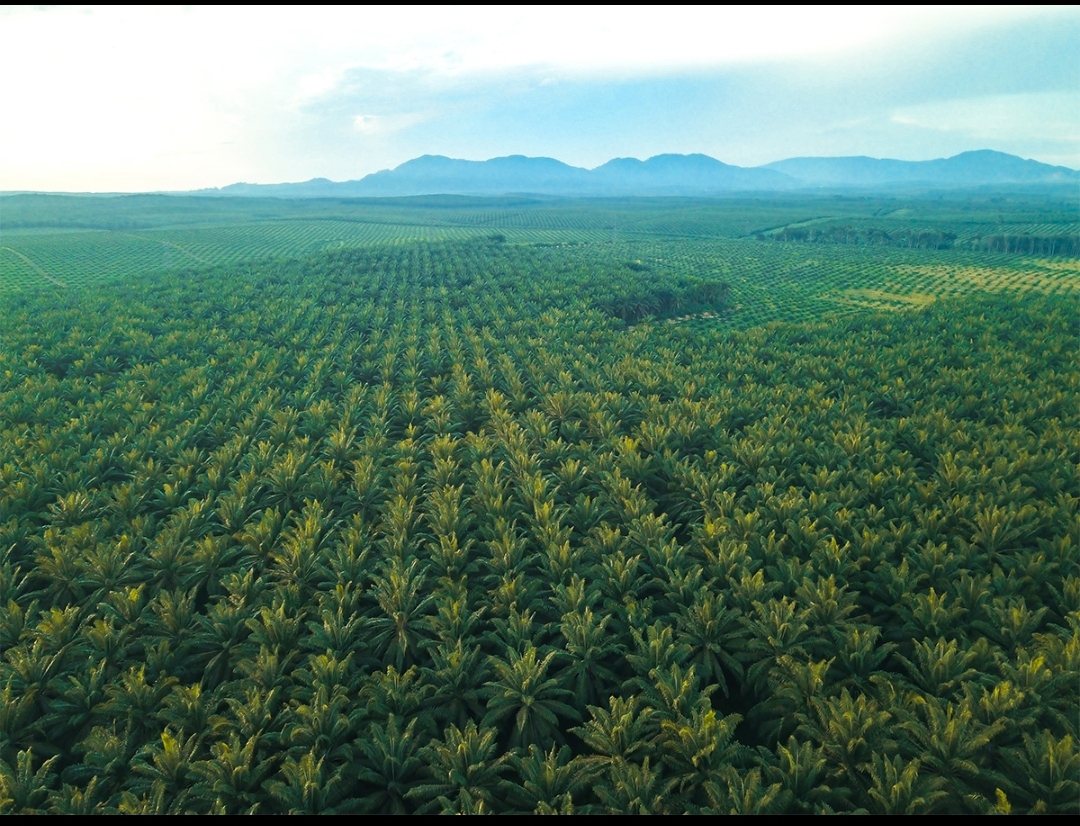
Smuggled laborers in oil palm plantations in Sabah

The Labor Landscape of Oil Palm Plantations in Sabah: Challenges and Realities


Oil palm plantations in Sabah, located on the island of Borneo in Malaysia, have long been a significant economic driver. With vast stretches of land dedicated to the cultivation of oil palms, the industry supports thousands of jobs and contributes significantly to the state’s economy. However, behind the industry’s growth lies a complex and often troubling issue: labor.

The Scale of Oil Palm Plantations in Sabah

Sabah, one of the largest oil palm producers in Malaysia, has approximately 1,528,800 hectares of land devoted to oil palm plantations. This area requires a massive workforce to maintain and harvest the crops. According to estimates, around 251,863 laborers are needed to operate these plantations, performing tasks ranging from planting to harvesting, maintenance, and processing.

The Issue of Smuggled Labor

One of the most pressing issues facing the oil palm industry in Sabah is the reliance on smuggled labor. Estimates suggest that out of every three laborers working in the plantations, two are smuggled. This means that approximately 167,909 workers are in Sabah illegally, often from neighboring countries such as Indonesia and the Philippines.

This illegal workforce is often more vulnerable to exploitation, as they lack proper legal protection and are sometimes paid less than their legal counterparts. Many are housed in substandard conditions, with little regard for their well-being or rights. In some cases, smuggled workers face threats of violence, poor working conditions, and insufficient wages.

The Human Cost

The smuggling of laborers not only impacts the workers themselves but also presents challenges for the Malaysian government and oil palm companies. Smuggled workers may face risks such as:

1. Exploitation: Without legal status, smuggled laborers are more susceptible to being taken advantage of by unscrupulous employers who can pay them lower wages, impose unsafe working conditions, or deny them proper benefits.


2. Limited Access to Health and Safety: The lack of documentation often prevents workers from seeking medical treatment or health benefits. Furthermore, their living conditions in plantation camps can be inadequate, leading to the spread of disease or preventable injuries.


3. Social Issues: The influx of illegal labor also has social implications, from increasing the strain on local resources to the potential for social unrest. The imbalance of legal and illegal workers can also contribute to tensions between different communities and the general population.


Addressing the Challenges

While the issue of smuggled labor is deeply ingrained, efforts are underway to address these challenges:

1. Government Intervention: The Malaysian government has attempted to regulate the labor force by cracking down on illegal immigration. However, enforcement remains difficult, especially in rural areas where plantations are often remote.


2. Technology and Innovation: Some plantation companies are exploring technological innovations, such as automated harvesting equipment, to reduce their reliance on manual labor. This shift could potentially help reduce the demand for labor, particularly illegal workers.


3. Fair and Legal Labor Practices: There are calls for plantation owners to adopt better labor practices and to ensure that their workforce is employed legally, with proper documentation, benefits, and rights. By ensuring fair pay, safe working conditions, and better living arrangements, the industry could become more sustainable and socially responsible.


4. Industry Certification: To address these issues, many oil palm companies are working towards obtaining certifications like the Roundtable on Sustainable Palm Oil (RSPO), which holds companies to higher standards in terms of labor rights, environmental practices, and sustainability.


Conclusion

The labor dynamics in Sabah’s oil palm plantations represent a complex intersection of economic needs, human rights, and social responsibility. While oil palm cultivation has undeniably contributed to the region’s economic growth, it has also led to serious labor issues, especially the smuggling of workers. As global demand for palm oil continues to rise, there must be an increased focus on improving the labor conditions in the industry, ensuring that workers are treated fairly, and reducing the reliance on smuggled labor.

By implementing stronger policies, improving transparency, and prioritizing human rights, Sabah’s oil palm industry can move towards a more ethical and sustainable future. The path forward may be challenging, but it is not impossible if all stakeholders are committed to change.


Sunday, November 3, 2024

Faith, Hope and Love - spirit, soul and body


Faith, Hope, and Love in Action: Navigating Life’s Complexities with Spiritual Strength

Life is a journey filled with moments that challenge, shape, and transform us. Alongside our personal trials, we often face the added weight of our relationships, careers, and the pursuit of health and purpose. When grappling with complex issues, particularly in challenging times, finding meaning and resilience is essential. Faith, hope, and love—three virtues spoken of in Scripture—offer us not just strength, but a foundation to stand on. Here’s a deeper look at how these elements can help us approach life’s biggest hurdles and support those we love.

Faith: The Foundation and Firing Mechanism

Faith is more than belief; it’s the firing mechanism that propels us forward, giving life to the words and promises of God in ways that can bring healing and change. Faith allows us to trust in the unseen, to know that God is moving even when things seem uncertain. It’s that initial spark, like the trigger on a gun, that brings our intentions to life.

When we speak about faith, we’re acknowledging a relationship with God that stands firm, even in the most difficult times. For example, when we’re dealing with a loved one’s health crisis, such as a mysterious illness or mental health challenge, our faith holds us steady. Even when medical solutions are unclear, faith is that anchor, the assurance that God sees the full picture and is working on behalf of those we love.

For those who are uncertain or distant from their faith, rekindling that relationship can be crucial. Sometimes, faith takes time to grow—especially in challenging times—and can require us to step back and nurture it through prayer, fasting, and moments of reflection on God’s goodness and promises.

Hope: The Guide That Helps Us Stay the Course

If faith is the foundation, hope is the compass. It gives us direction and purpose, steering us toward what we believe God has in store for us and our loved ones. Hope reminds us that no matter how dark a situation might seem, there’s a light to strive toward.

In the context of health and family, hope fuels our persistence. If a loved one is battling a health crisis, such as depression, mysterious illnesses, or even workplace struggles, hope is what gives us the endurance to keep praying, seeking solutions, and offering support. It guides our prayers and actions, reminding us of God’s power to bring healing, unity, and peace.

Hope also strengthens us when facing pressures or spiritual challenges in the workplace. For those who may face tension with superiors, workload stress, or even hostile environments, hope reassures us that God has placed us where we are for a reason. By staying anchored in hope, we can endure difficulties without losing sight of the greater purpose.

Love: The Power That Transforms

Finally, love is the dynamic force that breathes life into both faith and hope. While faith initiates, and hope guides, love empowers us to reach out, to show grace, and to act selflessly. As Christ commanded, we are to “love one another as I have loved you.” This love marks us as His disciples and serves as a testimony to those around us.

Love is especially critical when reaching out to a community that might be skeptical or resistant to change, as in the case of sharing the hope of healing in a town like Penampang, where doubt and cynicism may challenge even the strongest believer. Love bridges divides and speaks louder than any words alone, often opening doors for others to experience the fullness of God’s presence.

Even within families, love is transformative. When dealing with a child who may have wandered from faith or a spouse who is critical, it is love—patient, understanding, and unwavering—that keeps us connected. By showing Christ’s love in real ways, even to those who don’t understand or agree, we can reflect His nature and, perhaps, plant seeds of curiosity or openness.

Applying Faith, Hope, and Love in Real Life

To cultivate these virtues in our daily lives, intentional action and prayer are key. In times of sickness or emotional distress, a faith-filled prayer brings comfort and lays a foundation for God’s work. When dealing with challenges in the workplace, hopeful reliance on God’s timing and wisdom can see us through even the most complex situations. And when reaching out to those in need, whether in our communities or our own families, love remains the most powerful testimony.

1. Strengthening Faith: Faith grows through connection with God. Set aside time daily to read Scripture, meditate, and pray. Whether you’re in a season of clarity or doubt, the more you engage with God’s Word, the stronger your faith will become.


2. Holding onto Hope: When facing challenges, remind yourself of the hope found in God’s promises. You can do this by keeping a journal of answered prayers or even carrying a small notebook of favorite verses that speak of God’s faithfulness.


3. Sharing Love Actively: Love is most powerful when it’s lived out. Send a message of encouragement, lend a helping hand, or simply spend time listening to those around you. Sometimes, love isn’t about grand gestures; it’s about presence, showing up for others in small but meaningful ways.


A Final Thought: The Power of Prayer and Fasting

Periods of prayer and fasting are powerful times to focus on these virtues, especially when facing a specific challenge or spiritual battle. As Jesus demonstrated, fasting aligns our spirit with God, bringing clarity, strength, and breakthrough. If you’re in a season of prayer and fasting, seek God specifically for a deepening of faith, a renewal of hope, and an outpouring of love, both for yourself and for those you’re praying for.

As you move forward, may faith, hope, and love guide you, bringing light into each situation you face. And may the presence of God be with you, transforming you and those around you.

Citations: 
For this reflection on faith, hope, and love, I drew from biblical scripture and broader Christian theological principles rather than specific academic sources. However, here are some relevant citations from the Bible and classic theological writings that connect these ideas:

1. Faith, Hope, and Love in the Bible:

1 Corinthians 13:13 (NIV): “And now these three remain: faith, hope, and love. But the greatest of these is love.”

Hebrews 11:1 (NIV): “Now faith is confidence in what we hope for and assurance about what we do not see.”

Romans 5:5 (NIV): “And hope does not put us to shame, because God’s love has been poured out into our hearts through the Holy Spirit, who has been given to us.”


2. Application of Faith, Hope, and Love:

St. Augustine discusses these virtues in Enchiridion on Faith, Hope, and Love, a short theological handbook where he emphasizes the interconnectedness of faith, hope, and love as foundational for a Christian life.

St. Thomas Aquinas, Summa Theologica, particularly in the Second Part, Part Two, Question 4 (on Faith) and Question 17 (on Hope), and the Treatise on the Theological Virtues. Aquinas explains how these virtues operate within the soul and guide a person toward God.


3. The Power of Prayer and Fasting:

Matthew 6:16-18 (NIV): Jesus teaches on fasting and its place in the spiritual life, emphasizing humility and connection to God.

Isaiah 58:6-9 (NIV): The prophet Isaiah describes the kind of fasting that pleases God, including a focus on justice, compassion, and spiritual breakthrough.


These sources provide a basis for the ideas shared in this piece, illustrating how Christian thought and scripture view the significance of faith, hope, love, prayer, and fasting. Let me know if you’d like further citations from specific authors or topics within Christian theology.