Thursday, December 12, 2024

Describe and explain every symbolism and write a blog mentioning the dire need of "labourers in the harvest field" with particular emphasis on the 12 churches and para church organisations in Donggongon, Penampang, Kota Kinabalu and beyond in Sabah Malaysia.


Blog: The Urgent Need for Labourers in the Harvest Field

In the rich, fertile land of Donggongon, Penampang, Kota Kinabalu, and the greater Sabah region of Malaysia, a profound metaphor of spiritual harvest is waiting to be realized. With Mount Kinabalu majestically looming in the background, golden padi fields ripening under the midday sun, and a vivid reflection of Christ’s teachings on humility, servanthood, and the laborers in the field, there lies a critical call to action for the Church in Sabah.

The Symbolism of the Scene

In the oil painting described earlier, various elements offer symbolic insights into the urgent call for spiritual laborers in the harvest field:

Mount Kinabalu: The towering Mount Kinabalu in the background symbolizes God’s majesty, sovereignty, and the unshakable foundation on which the Christian faith stands. It serves as a reminder of God's authority and His call for believers to engage in His work, despite the challenges and obstacles.

Golden Yellow Padi Fields: The ripening padi fields, vibrant with the golden color of rice ready for harvest, symbolize the spiritual harvest that is ready to be gathered. The fields represent the souls of individuals in Sabah and beyond, who are yet to be reached with the Gospel of Christ. This highlights the need for spiritual laborers—those who are willing to take part in bringing in the harvest.

Midday Sun: The bright midday sun shining down upon the fields reflects the illumination of the Holy Spirit in the hearts of believers. It serves as a reminder that the time to labor is now, for the light of truth is shining brightly, and the moment for action is urgent.

The Call to Serve: Central to the scene is the metaphor of servanthood. As Christ taught, the greatest in His kingdom will be the servant of all (Mark 9:35). The laborers in the field are those who are not concerned with titles or power but are focused on humble service, bringing souls into the Kingdom of God.


The Spiritual Harvest in Sabah

Sabah, particularly the regions of Donggongon, Penampang, and Kota Kinabalu, is home to a rich cultural diversity with a complex spiritual landscape. The 12 churches and various para-church organizations in this area are doing tremendous work in evangelism, discipleship, and community outreach. However, despite their efforts, the need for more laborers remains dire.

As Matthew 9:37-38 says, "The harvest is plentiful but the laborers are few. Ask the Lord of the harvest, therefore, to send out workers into his harvest field." The task of evangelizing and discipling the people of Sabah—spanning various ethnicities and faiths—requires a concerted effort from churches and ministries across the region.

The Role of the 12 Churches and Para-Church Organizations in Donggongon, Penampang, and Beyond

The churches in Donggongon and Penampang, including the larger network of Kota Kinabalu-based ministries, play a pivotal role in reaching out to the Bajau, Kadazan, and Muslim communities, as well as the unregistered PTIs (Pendatang Tanpa Izin, or illegal immigrants) in the area. These communities represent some of the least reached groups, and the fields are ripe for the Gospel. Some churches are already making strides in this direction, while others remain in need of strategic support, training, and financial resources to effectively reach these people groups.

For example, ministries focused on the Kadazan-Dusun people, who make up a large portion of the population in Sabah, can leverage the cultural heritage and language of the people to build bridges of understanding and communication. However, cultural sensitivity is critical in sharing the message of Christ without causing division.

The Role of Para-Church Organizations

In addition to the local churches, para-church organizations—such as youth ministries, Christian schools, and community development groups—are critical in bringing the Gospel into daily life and reaching out to the next generation of leaders. These groups can help provide discipleship programs, social services, and evangelistic outreach in areas that traditional church buildings cannot easily access.

Some para-church organizations are already using creative outreach methods, such as music concerts, sports, and digital evangelism (through online platforms) to share Christ’s message with a wider audience. However, the laborers are still few, and many of these organizations could greatly benefit from more hands-on help in both prayer support and practical service.

The Need for More Labourers

As Sabah faces both spiritual and socio-political challenges, the harvest is abundant, but the laborers are few. The churches and para-church organizations of Donggongon, Penampang, and Kota Kinabalu need more workers in the fields. It is not enough for these ministries to rely on their own resources and efforts—the body of Christ must rise together in a united effort to bring the Gospel to the lost.

How You Can Get Involved:

Prayer: Continual intercession for the people of Sabah, for the churches, and for the leadership in the region.

Evangelism: Get involved in outreach programs, evangelistic efforts, and community events that can introduce people to Christ in non-threatening ways.

Discipleship: Actively engage in mentoring and training new believers in the foundations of the Christian faith, equipping them to go out and make more disciples.

Support: Contribute financially to support the ministries and missionary efforts in this region. Resources are always needed to facilitate outreach programs, church planting, and social initiatives.


Conclusion: The Time is Now

The golden fields of Donggongon and Penampang are ripe for harvest, and the call to labor in these fields is as urgent now as it was in Jesus' time. The churches and ministries of Sabah are doing incredible work, but the need for more laborers is greater than ever. As believers, we must answer the call, leaving behind titles, comfort, and status, to serve as humble servants in God’s harvest field.

By working together in prayer, outreach, discipleship, and support, we can help bring in the spiritual harvest that is waiting in Sabah.


---

For further insight on how to get involved in ministry and outreach efforts in Sabah, please refer to these resources:

Harvest Fields of Sabah: A Call to Evangelism

Christian Missions in Sabah


Prayer for Divine Intervention to Supply More Laborers for the Harvest

Heavenly Father,
We come before You with hearts full of gratitude for Your abundant grace and mercy. We acknowledge that You are the Lord of the harvest, and we thank You for Your call to bring in the souls that are ripe for salvation. Yet, Father, You have told us that the harvest is plentiful, but the laborers are few. In obedience to Your Word, we ask that You send forth more laborers into Your harvest field, particularly in the region of Sabah, to reap the souls that You have prepared.

Scripture Declarations:

Matthew 9:37-38 (NIV): "Then He said to His disciples, 'The harvest is plentiful but the workers are few. Ask the Lord of the harvest, therefore, to send out workers into His harvest field.'"

Declaration: Father, we declare that the harvest is indeed plentiful in Sabah and beyond. We ask You, in the name of Jesus, to send more laborers to bring in the abundant harvest. May the hearts of those called to this work be stirred by Your Spirit.


Luke 10:2 (NIV): "He told them, 'The harvest is plentiful, but the workers are few. Ask the Lord of the harvest, therefore, to send out workers into His harvest field.'"

Decree: Lord, as we ask You, we decree that the laborers will rise up, equipped with the tools of the Gospel, to reach those in need of salvation. We decree that the laborers will be faithful, courageous, and anointed to bring the light of Christ to every corner of Sabah.


John 4:35 (NIV): "Do you not say, 'Four months more and then the harvest'? I tell you, open your eyes and look at the fields! They are ripe for harvest."

Claim: We claim that the fields in Sabah are ripe for the harvest, Lord. Open the eyes of Your people to see the urgency and the readiness of the harvest. We ask You to awaken hearts and send laborers immediately.


Isaiah 6:8 (NIV): "Then I heard the voice of the Lord saying, 'Whom shall I send? And who will go for us?' And I said, 'Here am I. Send me!'"

Declaration: We declare, Father, that many in Sabah will rise to answer the call, just as Isaiah did. They will say, "Here am I. Send me," and will go out with boldness and power to reach the lost.


2 Corinthians 9:10-11 (NIV): "Now he who supplies seed to the sower and bread for food will also supply and increase your store of seed and will enlarge the harvest of your righteousness. You will be enriched in every way so that you can be generous on every occasion, and through us your generosity will result in thanksgiving to God."

Decree: We decree that You will supply all the resources needed for the laborers, Father. As You provide seed for the sower, You will also provide the financial, spiritual, and physical means for the laborers to go forth and labor abundantly. We declare that every need will be met in the mighty name of Jesus.


Ephesians 4:11-12 (NIV): "So Christ himself gave the apostles, the prophets, the evangelists, the pastors and teachers, to equip his people for works of service, so that the body of Christ may be built up."

Claim: We claim that You will raise up apostles, prophets, evangelists, pastors, and teachers to equip the Church for the work of ministry. We ask that the leaders in Sabah and beyond will faithfully train and prepare the new laborers who will be sent into the fields.


Father, we pray that You would stir up a mighty wave of spiritual revival in the hearts of Your people. We ask for an outpouring of the Holy Spirit that will compel men and women to rise up and be laborers in Your harvest field. May this be a time of great awakening, where the body of Christ is mobilized to bring in the harvest like never before.

We declare that the harvest will come in, in abundance, as we co-labor with You in this great work. We claim these things by faith, trusting that You will do exceedingly, abundantly, above all we could ask or think. In Jesus’ name, Amen.

Summary

The prayer invokes the truth of scriptural promises and declarations that align with God's will to send laborers into the harvest field. By quoting key verses from the Bible and declaring these truths, the prayer calls for a spiritual awakening and mobilization in Sabah, where the harvest is plentiful.

As believers, we need to respond to God’s invitation to serve in the harvest, and pray for the resources, workers, and spiritual momentum to reach the lost. This is the time for action, and the need is urgent.


Tuesday, December 10, 2024

The risk of being stone to death


Symbolism in the Image

The image of Mary of Nazareth, set against the backdrop of majestic mountains and vibrant flora, carries layers of symbolism:

1. Majestic Mountain: The towering mountain signifies strength, divine authority, and stability. It may also represent Mount Kinabalu, linking the narrative to the Kadazan heritage, and showcasing Mary as a symbol of grace and humility in an elevated spiritual setting.


2. Floral Surroundings: Flowers around Mary signify purity, beauty, and renewal. They echo her role as a nurturer and the "Sumandak" (Kadazan maiden) who embodies gentleness and virtue.


3. Mary's Expression: Her serene yet pensive look reflects the courage and faith needed to accept her divine mission despite societal risks.


4. The Cloak and Colors: Mary's cloak, blending soft and warm tones, symbolizes protection and divine favor. The red underneath may represent sacrifice and suffering.


5. Cultural Context: Mentioning "Titiu Kahansanan" (Light of Hope) and her modeling role for Kadazan youth connects Mary's universal significance to the local Kadazan culture.


---

Retelling Mary's Difficult Decision

Title: Mary of Nazareth: A Journey of Courage and Faith

Mary of Nazareth, a young maiden, likely no older than her late teens, lived a simple life in the village of Nazareth. Betrothed to Joseph, a kind-hearted carpenter, her future seemed settled—marriage, family, and the quiet rhythms of rural life awaited her. Yet, an unexpected encounter with the angel Gabriel disrupted the course of her life.

Gabriel's announcement was extraordinary: she had been chosen to conceive the Messiah, the Savior of the world. The pregnancy, however, would not come through her husband-to-be but by the Holy Spirit. Mary was troubled and confused. How could she, an unmarried virgin, bear a child? More so, what would people think?

In her society, becoming pregnant outside of marriage was not only scandalous but punishable by stoning. Mary risked not only her reputation but her life. Could she bear the shame? Would Joseph believe her story or leave her? What of her family and their honor? These thoughts must have raced through her mind.

However, in the midst of her turmoil, Mary found her strength in faith. "I am the Lord's servant," she said. "May your word to me be fulfilled" (Luke 1:38). This simple yet profound statement marked her total surrender to God's will, no matter the cost.

The days that followed were not easy. News of her pregnancy spread, and the whispers began. Joseph, initially heartbroken, planned to quietly end the engagement to protect her from public disgrace. Yet, God intervened, sending an angel to reassure Joseph of Mary's innocence and the divine nature of her child. In an act of selflessness, Joseph chose to stand by Mary, shielding her from harm.

Mary's decision to say "yes" to God remains a powerful testimony to courage and obedience. Her story inspires us to trust in divine plans, even when they lead us into uncertainty. For Mary, accepting the role of the mother of the Messiah meant walking a path fraught with difficulty but illuminated by the promise of salvation for all humanity.


---

Reflection: Mary's journey is a timeless reminder of the power of faith over fear. Her courage to embrace God's will despite societal judgment mirrors the struggles we often face when called to step outside our comfort zones. Let us draw inspiration from her unwavering trust, knowing that God’s plans are always for a greater purpose.


Friday, November 8, 2024

Smuggled laborers in oil palm plantations in Sabah

The Labor Landscape of Oil Palm Plantations in Sabah: Challenges and Realities


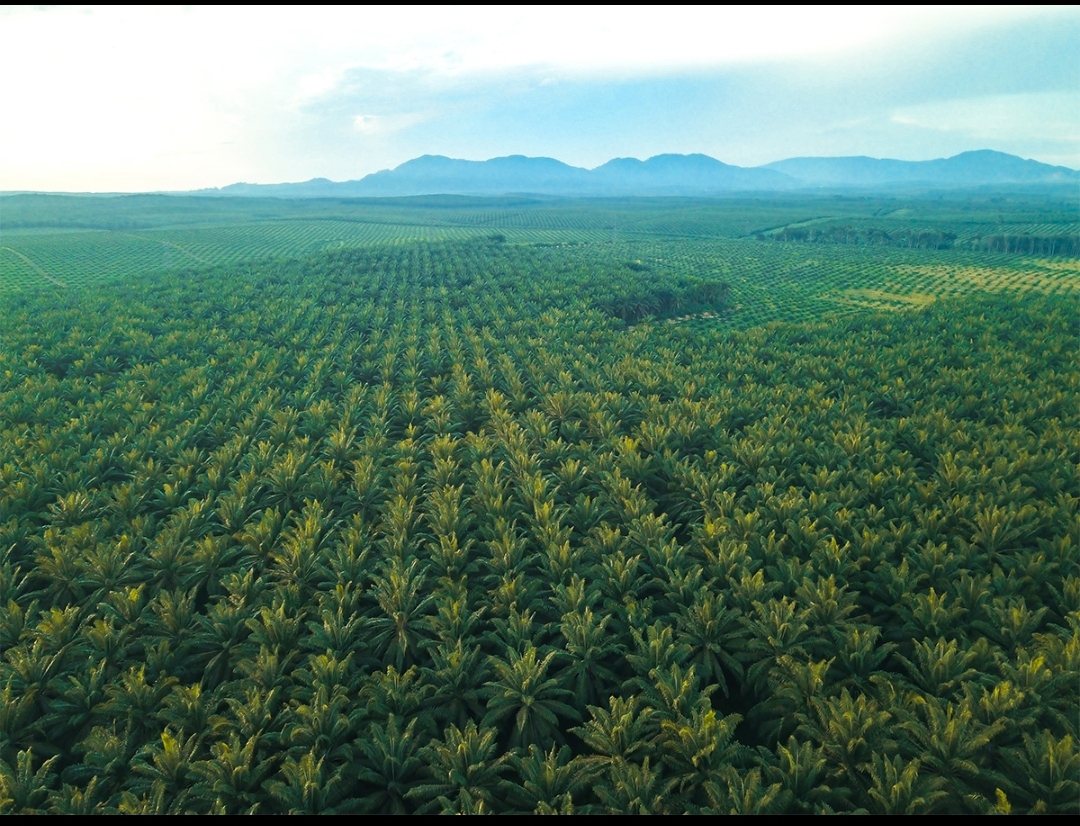
Oil palm plantations in Sabah, located on the island of Borneo in Malaysia, have long been a significant economic driver. With vast stretches of land dedicated to the cultivation of oil palms, the industry supports thousands of jobs and contributes significantly to the state’s economy. However, behind the industry’s growth lies a complex and often troubling issue: labor.

The Scale of Oil Palm Plantations in Sabah

Sabah, one of the largest oil palm producers in Malaysia, has approximately 1,528,800 hectares of land devoted to oil palm plantations. This area requires a massive workforce to maintain and harvest the crops. According to estimates, around 251,863 laborers are needed to operate these plantations, performing tasks ranging from planting to harvesting, maintenance, and processing.

The Issue of Smuggled Labor

One of the most pressing issues facing the oil palm industry in Sabah is the reliance on smuggled labor. Estimates suggest that out of every three laborers working in the plantations, two are smuggled. This means that approximately 167,909 workers are in Sabah illegally, often from neighboring countries such as Indonesia and the Philippines.

This illegal workforce is often more vulnerable to exploitation, as they lack proper legal protection and are sometimes paid less than their legal counterparts. Many are housed in substandard conditions, with little regard for their well-being or rights. In some cases, smuggled workers face threats of violence, poor working conditions, and insufficient wages.

The Human Cost

The smuggling of laborers not only impacts the workers themselves but also presents challenges for the Malaysian government and oil palm companies. Smuggled workers may face risks such as:

1. Exploitation: Without legal status, smuggled laborers are more susceptible to being taken advantage of by unscrupulous employers who can pay them lower wages, impose unsafe working conditions, or deny them proper benefits.


2. Limited Access to Health and Safety: The lack of documentation often prevents workers from seeking medical treatment or health benefits. Furthermore, their living conditions in plantation camps can be inadequate, leading to the spread of disease or preventable injuries.


3. Social Issues: The influx of illegal labor also has social implications, from increasing the strain on local resources to the potential for social unrest. The imbalance of legal and illegal workers can also contribute to tensions between different communities and the general population.


Addressing the Challenges

While the issue of smuggled labor is deeply ingrained, efforts are underway to address these challenges:

1. Government Intervention: The Malaysian government has attempted to regulate the labor force by cracking down on illegal immigration. However, enforcement remains difficult, especially in rural areas where plantations are often remote.


2. Technology and Innovation: Some plantation companies are exploring technological innovations, such as automated harvesting equipment, to reduce their reliance on manual labor. This shift could potentially help reduce the demand for labor, particularly illegal workers.


3. Fair and Legal Labor Practices: There are calls for plantation owners to adopt better labor practices and to ensure that their workforce is employed legally, with proper documentation, benefits, and rights. By ensuring fair pay, safe working conditions, and better living arrangements, the industry could become more sustainable and socially responsible.


4. Industry Certification: To address these issues, many oil palm companies are working towards obtaining certifications like the Roundtable on Sustainable Palm Oil (RSPO), which holds companies to higher standards in terms of labor rights, environmental practices, and sustainability.


Conclusion

The labor dynamics in Sabah’s oil palm plantations represent a complex intersection of economic needs, human rights, and social responsibility. While oil palm cultivation has undeniably contributed to the region’s economic growth, it has also led to serious labor issues, especially the smuggling of workers. As global demand for palm oil continues to rise, there must be an increased focus on improving the labor conditions in the industry, ensuring that workers are treated fairly, and reducing the reliance on smuggled labor.

By implementing stronger policies, improving transparency, and prioritizing human rights, Sabah’s oil palm industry can move towards a more ethical and sustainable future. The path forward may be challenging, but it is not impossible if all stakeholders are committed to change.


Sunday, November 3, 2024

Faith, Hope and Love - spirit, soul and body


Faith, Hope, and Love in Action: Navigating Life’s Complexities with Spiritual Strength

Life is a journey filled with moments that challenge, shape, and transform us. Alongside our personal trials, we often face the added weight of our relationships, careers, and the pursuit of health and purpose. When grappling with complex issues, particularly in challenging times, finding meaning and resilience is essential. Faith, hope, and love—three virtues spoken of in Scripture—offer us not just strength, but a foundation to stand on. Here’s a deeper look at how these elements can help us approach life’s biggest hurdles and support those we love.

Faith: The Foundation and Firing Mechanism

Faith is more than belief; it’s the firing mechanism that propels us forward, giving life to the words and promises of God in ways that can bring healing and change. Faith allows us to trust in the unseen, to know that God is moving even when things seem uncertain. It’s that initial spark, like the trigger on a gun, that brings our intentions to life.

When we speak about faith, we’re acknowledging a relationship with God that stands firm, even in the most difficult times. For example, when we’re dealing with a loved one’s health crisis, such as a mysterious illness or mental health challenge, our faith holds us steady. Even when medical solutions are unclear, faith is that anchor, the assurance that God sees the full picture and is working on behalf of those we love.

For those who are uncertain or distant from their faith, rekindling that relationship can be crucial. Sometimes, faith takes time to grow—especially in challenging times—and can require us to step back and nurture it through prayer, fasting, and moments of reflection on God’s goodness and promises.

Hope: The Guide That Helps Us Stay the Course

If faith is the foundation, hope is the compass. It gives us direction and purpose, steering us toward what we believe God has in store for us and our loved ones. Hope reminds us that no matter how dark a situation might seem, there’s a light to strive toward.

In the context of health and family, hope fuels our persistence. If a loved one is battling a health crisis, such as depression, mysterious illnesses, or even workplace struggles, hope is what gives us the endurance to keep praying, seeking solutions, and offering support. It guides our prayers and actions, reminding us of God’s power to bring healing, unity, and peace.

Hope also strengthens us when facing pressures or spiritual challenges in the workplace. For those who may face tension with superiors, workload stress, or even hostile environments, hope reassures us that God has placed us where we are for a reason. By staying anchored in hope, we can endure difficulties without losing sight of the greater purpose.

Love: The Power That Transforms

Finally, love is the dynamic force that breathes life into both faith and hope. While faith initiates, and hope guides, love empowers us to reach out, to show grace, and to act selflessly. As Christ commanded, we are to “love one another as I have loved you.” This love marks us as His disciples and serves as a testimony to those around us.

Love is especially critical when reaching out to a community that might be skeptical or resistant to change, as in the case of sharing the hope of healing in a town like Penampang, where doubt and cynicism may challenge even the strongest believer. Love bridges divides and speaks louder than any words alone, often opening doors for others to experience the fullness of God’s presence.

Even within families, love is transformative. When dealing with a child who may have wandered from faith or a spouse who is critical, it is love—patient, understanding, and unwavering—that keeps us connected. By showing Christ’s love in real ways, even to those who don’t understand or agree, we can reflect His nature and, perhaps, plant seeds of curiosity or openness.

Applying Faith, Hope, and Love in Real Life

To cultivate these virtues in our daily lives, intentional action and prayer are key. In times of sickness or emotional distress, a faith-filled prayer brings comfort and lays a foundation for God’s work. When dealing with challenges in the workplace, hopeful reliance on God’s timing and wisdom can see us through even the most complex situations. And when reaching out to those in need, whether in our communities or our own families, love remains the most powerful testimony.

1. Strengthening Faith: Faith grows through connection with God. Set aside time daily to read Scripture, meditate, and pray. Whether you’re in a season of clarity or doubt, the more you engage with God’s Word, the stronger your faith will become.


2. Holding onto Hope: When facing challenges, remind yourself of the hope found in God’s promises. You can do this by keeping a journal of answered prayers or even carrying a small notebook of favorite verses that speak of God’s faithfulness.


3. Sharing Love Actively: Love is most powerful when it’s lived out. Send a message of encouragement, lend a helping hand, or simply spend time listening to those around you. Sometimes, love isn’t about grand gestures; it’s about presence, showing up for others in small but meaningful ways.


A Final Thought: The Power of Prayer and Fasting

Periods of prayer and fasting are powerful times to focus on these virtues, especially when facing a specific challenge or spiritual battle. As Jesus demonstrated, fasting aligns our spirit with God, bringing clarity, strength, and breakthrough. If you’re in a season of prayer and fasting, seek God specifically for a deepening of faith, a renewal of hope, and an outpouring of love, both for yourself and for those you’re praying for.

As you move forward, may faith, hope, and love guide you, bringing light into each situation you face. And may the presence of God be with you, transforming you and those around you.

Citations: 
For this reflection on faith, hope, and love, I drew from biblical scripture and broader Christian theological principles rather than specific academic sources. However, here are some relevant citations from the Bible and classic theological writings that connect these ideas:

1. Faith, Hope, and Love in the Bible:

1 Corinthians 13:13 (NIV): “And now these three remain: faith, hope, and love. But the greatest of these is love.”

Hebrews 11:1 (NIV): “Now faith is confidence in what we hope for and assurance about what we do not see.”

Romans 5:5 (NIV): “And hope does not put us to shame, because God’s love has been poured out into our hearts through the Holy Spirit, who has been given to us.”


2. Application of Faith, Hope, and Love:

St. Augustine discusses these virtues in Enchiridion on Faith, Hope, and Love, a short theological handbook where he emphasizes the interconnectedness of faith, hope, and love as foundational for a Christian life.

St. Thomas Aquinas, Summa Theologica, particularly in the Second Part, Part Two, Question 4 (on Faith) and Question 17 (on Hope), and the Treatise on the Theological Virtues. Aquinas explains how these virtues operate within the soul and guide a person toward God.


3. The Power of Prayer and Fasting:

Matthew 6:16-18 (NIV): Jesus teaches on fasting and its place in the spiritual life, emphasizing humility and connection to God.

Isaiah 58:6-9 (NIV): The prophet Isaiah describes the kind of fasting that pleases God, including a focus on justice, compassion, and spiritual breakthrough.


These sources provide a basis for the ideas shared in this piece, illustrating how Christian thought and scripture view the significance of faith, hope, love, prayer, and fasting. Let me know if you’d like further citations from specific authors or topics within Christian theology.


Saturday, August 10, 2024

Yeshua HaMachiach aka Jesus Christ in China (Telling the story to my children)

Watch the movie here

## ReMastered: JESUS in China, FULL 4 Movies

### Chapter

During the Boxer Rebellion in China, 236 Western missionaries were killed among 23,000 Chinese Christians. In the following 50 years, more Western missionaries came to China, establishing 19 universities, over 6,000 elementary and secondary schools, and more than 900 hospitals. The number of Chinese Christians rose to 700,000, but the Communist Party saw this as a result of cultural imperialism. They expelled all Western missionaries and forced Chinese missionaries to renounce their faith, imposing secular education.

Over the next 50 years, the number of Christians in China grew to nearly 70 million, a hundredfold increase. Three prominent missionary leaders from the Boxer Rebellion era, Ling Ding Wong Jun, and Shandong, became influential figures in the Chinese church. Despite intense persecution, including the imprisonment and torture of many Christians, the Christian faith continued to spread rapidly across China and Southeast Asia.

The government launched the Three-Self Patriotic Movement, pressuring Christians to join the government-controlled Three-Self Church and renounce their independent faith. Those who refused were imprisoned, like Madame Yang Shuifei, who spent 20 years in prison for rejecting the Three-Self Movement. The government's goal was to bring Christians under complete Communist Party control, but the Christian church in China continued to grow and thrive, with its roots firmly established despite the waves of persecution.

### Chapter

During the harsh winter of the Cultural Revolution in China, the writer endured severe persecution and imprisonment for her Christian faith. Held in a labor camp with the ground frozen and the wheat struggling to take root, she faced extreme cold and hunger, yet miraculously remained healthy throughout her 21-year sentence in Heilongjiang province near the Soviet border. 

Despite the harsh conditions and the death of many around her, she clung to her faith, praying every night when the other prisoners were asleep. When given the opportunity, she attempted to take her own life, but was saved by the intervention of the guards. In her despair, she cried out to God, questioning why she could not rely on Him to the end. But the Lord comforted her, assuring her that His grace was sufficient.

As the writer survived, thousands of other Christians suffered in prisons across China. In the late 1950s, the government launched a campaign to unify the churches, closing down all but a handful nationwide. When the Cultural Revolution began in 1966, the systematic destruction of the Chinese Christian church escalated, with churches demolished, Bibles burned, and believers publicly denounced and persecuted. Yet the faith of many continued to endure, even in the face of such intense opposition.

### Chapter

During the Cultural Revolution in China, a devout Christian woman was imprisoned for 21 years in a labor camp near the Soviet border. Despite the harsh conditions, she clung to her faith, praying nightly when the other prisoners slept. At one point, in her despair, she attempted suicide but was saved by the guards. As she questioned God's purpose, He comforted her and assured her of His sufficient grace.

Thousands of other Christians suffered persecution across China during this time, as the government sought to unify and destroy the church. Believers were imprisoned, churches demolished, and Bibles burned. Yet the faith of many endured, even in the face of intense opposition.

After Mao's death in 1976, the national deification movement finally came to an end. In the void, believers began to reappear in cities and rural areas, forming house churches. The number of these self-governing congregations soon exceeded the officially sanctioned Three-Self churches.

Despite the hardships, the Christian faith in China experienced a miraculous resurgence during and after the Cultural Revolution. One former Red Guard, now a house church leader, reflected on how his own mother had suffered for her faith, yet prayed and fasted for his salvation. This profound act of love caused him to reconsider his past actions and eventually embrace the faith he had once opposed.

### Chapter

During the Cultural Revolution, a Chinese Christian woman risked her life to protect a damaged Bible. She hid it in her home, despite the authorities confiscating Bibles and persecuting believers. Years later, her story revealed the profound sacrifices made by Chinese Christians to preserve their sacred texts. Even with churches closed and gatherings banned, elderly women continued praying and crying out to God for the future of the Chinese church. Remnants of Bibles, reduced to just a few chapters, were guarded and shared among believers who made dangerous journeys to make copies. Though the Communists sought to eradicate Christianity, the faith of the Chinese Christians endured, passing the Scriptures from hand to hand, even as the pages grew worn from tears. Their unwavering commitment to preserving God's word in the face of intense opposition stands as a testament to the resilience of the Chinese church during those turbulent times.

### Chapter

During the height of the Cultural Revolution, printing Bibles in China was heavily restricted by the authorities. However, a Western organization secretly facilitated the mass production of Gospels until 1985. Today, the general distribution of Bibles is no longer permitted, and those wishing to obtain a copy must purchase one from one of the three approved "Christian Bookstores" in the country. Despite these challenges, the Bible has still found its way into the homes of millions of Chinese families, becoming a source of spiritual sustenance in a time of great adversity for the Chinese church. In the late 1970s, as the government began releasing Christian prisoners, one man's joyful return home was met with the harsh realities his family had endured in his absence. His wife had struggled to raise their children alone, facing poverty and the stigma of his imprisonment. Yet, through their faith and reliance on God's providence, this family persevered, finding ways to support one another and maintain hope, even in the darkest of times.

### Chapter

The chapter describes the resilience of Chinese Christians during times of persecution. It recounts the experiences of pastors like Samuel Lamb and Alan Wong, who faced imprisonment and hardship but remained steadfast in their faith. Despite government restrictions and crackdowns, house churches continued to grow, with some congregations expanding from hundreds to thousands of members. The text highlights how increased persecution often led to greater blessings for the church. It also mentions the practice of secret Bible printing and distribution until 1985. The narrative emphasizes the unwavering commitment of these Christian leaders to their beliefs, even in the face of repeated arrests and confiscation of property. The chapter concludes by drawing parallels between the current growth of Christianity in China and the early church as described in the Book of Acts.

### Chapter

The chapter describes the growth and challenges of the house church movement in China during times of intense persecution. It recounts how a small group of believers, including the narrator's family, secretly gathered for worship, their numbers growing from just a few to over 30 participants. They faced constant fear of arrest, having to quickly disperse after services to avoid detection by the authorities. The chapter highlights the resilience and commitment of these Chinese Christians, who risked imprisonment to continue their religious practices. It also describes how they adapted, meeting in remote locations like cornfields and cemeteries to avoid detection. The narrative emphasizes the profound spiritual transformation experienced by many, finding true meaning, peace, and joy in their newfound faith, despite the tremendous hardships. The chapter ultimately conveys the unwavering devotion of the Chinese church, which continued to grow and thrive even in the face of severe government oppression.

### Chapter

This chapter describes a young woman's decision to dedicate her life to Christian missionary work in China, despite her father's alternative suggestions for her future. She joined other young women in spreading the Gospel across multiple provinces, often traveling by bicycle. They preached in villages, performed healings, and established house churches, experiencing both miracles and hardships. The missionaries used various methods to spread their message, including public gatherings, attending local events, and performing religious plays. They went door-to-door, sharing their faith on public transportation and in the streets. The period of 1980-1981 is described as a golden age for the house church movement in China, with rapid growth and widespread evangelism. However, this era came to an end when the government re-established the Three-Self Church in 1981, bringing challenges to their missionary efforts.

### Chapter

The chapter describes the increasing persecution faced by house churches in China in the early 1980s. As the government re-established the official Three-Self Church, the house churches became illegal and their members were prohibited from evangelizing. In 1983, the government cracked down on Christian "agitators", arresting a group that included the narrator. They were accused of being part of a "gang of agitators", although the narrator insists they had only proclaimed "Christ is Lord." The narrator was sentenced to 15 years in prison, despite not having committed any wrongdoing during the Cultural Revolution. 

The chapter highlights the widespread imprisonment of devoted Christians in China, with some having been jailed over 10 times. The narrator's own church had 14 members in prison and 21 on the government's wanted list. During the arrest, the narrator describes feeling fearful but ultimately at peace, even singing hymns with other detainees in the police car. The chapter recounts the physical and emotional hardships endured by the imprisoned Christians, including broken bones and the anguish of being separated from loved ones. However, the narrator also expresses gratitude for God's sustaining presence and the faithfulness of fellow believers who continued to visit and encourage those in jail. Ultimately, the narrator was released after serving three years, reuniting with family and the church community.

### Chapter

The chapter describes a joyous wedding celebration following the narrator's release from prison. Despite the hardships endured, the couple's love deepened during their three-year separation. The ceremony is filled with tears of gratitude and joy, reflecting on God's faithfulness during imprisonment. The narrative then shifts to the broader context of Chinese missionaries, highlighting their ongoing struggles against government opposition and societal misunderstanding. Finally, it recounts the tragic childhood of an orphan who, on the brink of suicide, encounters a group of Christians singing. This chance meeting leads to the orphan being taken in and introduced to Christianity, offering hope in the midst of despair.

### Chapter

The chapter describes the narrator's journey of faith and the challenges faced by Chinese missionaries. After being released from prison, the narrator joyfully celebrated their wedding, with tears of gratitude to God who had sustained them during the hardship. The narrative then shifts to the broader context, highlighting the ongoing struggles of Chinese Christians against government opposition and societal misunderstanding. It recounts the story of an orphan who, on the brink of suicide, encountered a group of Christians and found hope in Christianity. The chapter also delves into the personal accounts of various missionaries who have endured imprisonment, torture, and deprivation for their faith. Despite the immense suffering, they have remained steadfast, finding solace in God's presence and the strength to continue their mission. The chapter underscores the resilience of the Chinese church, which has found creative ways to survive, such as conducting secret gatherings and preaching, in the face of intense government crackdown.

### Chapter

The chapter describes the resilience and faith of Chinese Christians in the face of persecution by the government. Despite being imprisoned, tortured, and deprived, they remain steadfast in their beliefs, finding solace in God's love and the strength to continue their mission. The narrative highlights the growing number of house churches and the government's struggle to understand the true nature of Christianity, often mistakenly labeling Christians as anti-revolutionary. However, the Christians express their desire to bless their country and pray for their leaders, wishing them the love of God. The chapter also recounts the story of an orphan who found hope in Christianity, and the personal accounts of missionaries who have endured immense suffering but have remained devoted to their faith. The chapter emphasizes the belief that the cross, a symbol of torture and humiliation, has become a symbol of peace and blessing through the sacrifice of Jesus. Similarly, the Chinese church is being built upon the suffering and sacrifices of its believers, with imprisonment becoming a center for strengthening their faith. The narrative underscores the resilience and determination of the Chinese Christians, who continue to spread the gospel despite the ongoing crackdown by the authorities.

### Chapter

The chapter depicts the growth and resilience of house churches in China. Despite persecution, underground Christian communities have spread across the country, from rural villages to major cities. Many ordinary farmers have become leaders of these house churches, with some overseeing thousands of believers. The movement has expanded to universities, ethnic minority areas, and even model communities established by the government. Converts include farmers, students, urban professionals, and government officials. The chapter highlights the dedication of missionaries who risk their lives to spread the gospel, often moving from place to place to avoid arrest. It also emphasizes the power of the gospel itself in driving this rapid growth, with believers expressing their willingness to endure hardships and dedicate their lives to sharing God's love with others.

### Chapter

The chapter describes the profound transformation of a former gang member and casino owner who found redemption in Jesus Christ. After losing all his wealth to addiction, he was encouraged by his mother to turn to Jesus. He initially responded with skepticism, but his mother's fervent prayers moved him to accept Christ. That night, he experienced a profound spiritual renewal and the next morning awoke with a newfound strength and purpose. From that day on, he abandoned his gambling and drug habits, and instead dedicated his life to serving God and his family. The chapter highlights the power of the gospel to change even the most hardened of hearts, as this former criminal became a devoted follower of Jesus, finding joy and purpose in his newfound faith.

### Chapter

The chapter describes the profound transformation of a former gang member and casino owner who found redemption in Jesus Christ. After losing all his wealth to addiction, he was encouraged by his mother to turn to Jesus. He initially responded with skepticism, but his mother's fervent prayers moved him to accept Christ. That night, he experienced a profound spiritual renewal and the next morning awoke with a newfound strength and purpose. From that day on, he abandoned his gambling and drug habits, and instead dedicated his life to serving God and his family. The chapter highlights the power of the gospel to change even the most hardened of hearts, as this former criminal became a devoted follower of Jesus, finding joy and purpose in his newfound faith. He describes how his relationship with his wife also transformed, as they learned to communicate openly, trust each other, and grow closer to God together. The chapter emphasizes the miraculous and life-changing impact that accepting Jesus can have, even for those who have lived the most wayward of lives.

### Chapter

The chapter describes the transformative power of Jesus Christ's death on the cross, which continues to impact lives throughout history, including in 21st century China. It recounts personal stories of individuals whose lives and relationships were dramatically changed after accepting Christ. These include a couple whose marriage was saved from the brink of divorce, and a former street child who became a preacher. The chapter highlights the work of a home church in Chengdu that runs an orphanage, taking in and transforming the lives of abandoned and troubled children through God's love. It also mentions the selfless dedication of unpaid sisters who run these orphanages in secret due to their illegal status. The text emphasizes the importance of love in Chinese society, suggesting that widespread belief in God could lead to positive societal changes. It concludes by discussing how some Chinese intellectuals are beginning to explore Christian love in their own way, and contrasts the emotional responses of Americans and Chinese to tragic events, suggesting that belief in God allows for greater empathy and compassion.

### Chapter

The chapter discusses the impact of Christianity in China, focusing on personal stories of transformation. It highlights how faith has changed the lives of artists, intellectuals, and ordinary people, providing them with a moral foundation and teaching them to love and serve others. The text emphasizes the importance of incorporating God's love into art and society, suggesting that belief in God can lead to positive societal changes. It recounts several conversion stories, including those of artists and former gamblers, who found peace and purpose through Christianity. The chapter also touches on the challenges faced by Christians in China, including potential persecution, but emphasizes the strength and comfort found in faith. It concludes by describing how embracing Christianity has given many Chinese people a new perspective on life, helping them overcome personal struggles and find meaning in their experiences.

### Chapter

The chapter recounts personal experiences of Chinese individuals finding spiritual fulfillment through Christianity. It describes how people from various backgrounds, including intellectuals and workers, turned to faith to address their existential questions and emotional struggles. The text highlights the transformative power of Christian beliefs, with many reporting a newfound sense of peace, purpose, and happiness after converting. It also touches on the rapid growth of Christianity in China, particularly in urban areas like Beijing, despite limited religious infrastructure. The chapter emphasizes the contrast between the materialistic ideology prevalent in China and the spiritual thirst many Chinese people experience, suggesting that Christianity offers a meaningful alternative to those seeking deeper answers to life's questions.

### Chapter

The chapter recounts the personal journey of a Chinese individual's conversion to Christianity and the subsequent changes in their life. It describes how the person struggled with existential questions and found spiritual fulfillment in Christian beliefs, which provided a sense of peace and purpose. The text highlights the contrast between the person's previous materialistic mindset and the newfound religious convictions, leading to a willingness to make sacrifices, such as resigning from the Communist Party, in order to fully embrace their faith. The chapter also touches on the perception that accepting Christianity may be seen as a rejection of one's Chinese identity, and how the individual navigates this cultural dynamic. The narrative emphasizes the transformative power of Christianity in the lives of some Chinese people, despite the challenges and societal pressures they may face.

### Chapter

The chapter describes the transformative impact of Christianity on Chinese individuals and communities. It highlights how Christian converts experience positive changes in their personal lives, work ethic, and relationships. The text recounts stories of Christians in labor camps earning trust and respect from officials, and how businesses run by Christians prioritize ethical practices and spiritual growth. It emphasizes the importance of prayer, Bible study, and worship in these Christian communities, and how their faith influences their approach to challenges and social responsibility. The chapter also touches on the growth of house churches in China, the use of hymns to express faith and experiences, and the spread of Christianity in both rural villages and urban areas, portraying it as a source of joy and unity for believers.

### Chapter

The chapter describes the remarkable musical talents of rural Chinese Christians, who are able to sing dozens of hymns without musical training or the ability to read music. These hymns, known as the "Canaan Songs", have been compiled and are widely sung not only in house churches but also in Three-Self churches across China and around the world. The chapter highlights the view that these songs are a great blessing from God to the Chinese church, conveying profound messages of God's grace, strength, and guidance, even though they were written by a young, uneducated farm girl named Xiao Shilan. The chapter recounts how Xiao Shilan, who grew up in a poor farming family, was inspired by the Holy Spirit to compose these hymns, which have deeply touched and inspired believers. It also describes the awe and disbelief expressed by professional musicians and music scholars when they learned of the humble origins of these beautiful, theologically rich compositions.

### Chapter

The chapter describes the remarkable hymns known as the "Canaan Songs" that have been composed and widely sung by rural Chinese Christians without any formal musical training. These hymns, written by a young, uneducated farm girl named Xiao Shilan, are said to convey profound messages of God's grace, strength, and guidance, and have deeply touched and inspired believers across China and around the world. The chapter recounts how Xiao Shilan, despite her humble background, was inspired by the Holy Spirit to compose these beautiful, theologically rich songs. It also highlights the awe and disbelief expressed by professional musicians when they learned of the origins of these hymns. The chapter further describes the spiritual impact these songs have had on believers, often providing strength and comfort during times of adversity and persecution, as evidenced by the testimonies of those who have experienced the power of these "Canaan Songs" firsthand.

### Chapter

The chapter describes the moving testimonies of Chinese Christians who have faced persecution and hardship, yet find strength and comfort through their faith in Christ. It recounts how one individual, initially quick-tempered, was able to overcome his anger and adversity by relying on the support and encouragement of fellow believers, who had endured even greater suffering in prison. The chapter highlights the misunderstandings and criticism these Christians often face from those who do not understand their commitment to spreading the gospel, even at the cost of leaving their families behind. However, the chapter emphasizes the unwavering faith of these believers, who find solace in the assurance that Jesus is always with them, no matter the circumstances. It also touches on the profound impact of the "Canaan Songs," inspiring hymns composed by an uneducated farm girl, which have become a source of spiritual strength for millions of Chinese Christians. The chapter concludes by describing the widespread acceptance and celebration of Christian music and worship in China, as exemplified by the televised Spring Festival gala and the enthusiastic reception of a Christian family's performance.